
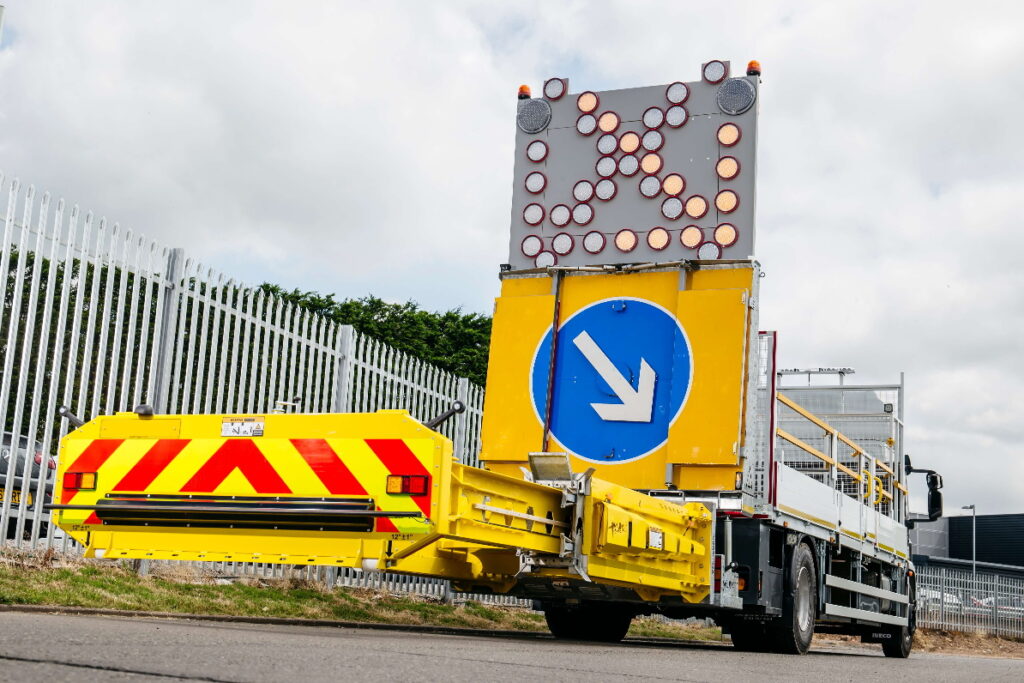
The average lifespan of a truck mounted attenuator is typically between 5 and 10 years, though this range varies significantly based on how often the unit absorbs impacts, the quality of maintenance it receives, and the conditions in which it operates. Units deployed in high-traffic work zones or on busy highways tend to reach the end of their service life faster than those used infrequently. The sections below address the most common questions about TMA longevity, replacement timing, and how to get the most out of your equipment.
What factors determine how long a TMA lasts?
The lifespan of a truck mounted attenuator depends on four main factors: impact frequency, operating environment, build quality, and maintenance practices. A unit that absorbs multiple high-speed crashes in a single year will degrade structurally far faster than one used in low-risk, low-traffic deployments. Environmental exposure to UV radiation, road salt, and moisture also accelerates wear on both structural components and electronics.
The quality of the original materials and engineering plays a significant role as well. TMAs built to meet rigorous standards such as MASH 2016 or NCHRP 350 TL-3 are designed to perform reliably under real crash conditions, which generally reflects higher-grade construction. Units that meet these standards tend to hold up better over time compared to equipment built to older or less demanding specifications.
Finally, how a TMA is stored and transported between deployments matters. Units left exposed to the elements or improperly secured during transport accumulate wear that shortens their working life even before a single impact occurs.
How many impacts can a truck mounted attenuator absorb before replacement?
Most truck mounted attenuators are designed to withstand multiple impacts, but the number before replacement is needed depends on impact severity. A low-speed glancing blow may leave the unit fully functional, while a single high-speed direct impact at test-level forces can require full replacement or major structural repair. There is no universal fixed number that applies across all units and all impact types.
After any significant impact, the unit must be inspected by a qualified technician before returning to service. Structural deformation, damaged energy-absorbing cartridges, bent mounting hardware, or compromised hydraulic components are all signs that the attenuator cannot safely absorb another impact at rated performance levels. Some manufacturers design their systems with replaceable crash cartridges specifically to allow the unit to return to service faster after a moderate impact without replacing the entire assembly.
Keeping a detailed impact log for each unit helps you track cumulative stress over its service life and make informed decisions about repair versus full replacement.
What are the signs that a TMA needs to be replaced?
A truck mounted attenuator needs replacement when it shows structural damage that cannot be fully restored, when critical components no longer meet original performance specifications, or when the unit has exceeded its rated service life. Visible signs include bent or cracked frames, permanently deformed energy-absorbing sections, and mounting hardware that cannot be properly realigned.
Beyond physical damage, watch for these warning indicators:
- Corrosion on load-bearing structural elements that has progressed beyond surface rust
- Hydraulic system failures that recur after repeated repair attempts
- Electrical or LED system malfunctions that affect visibility and compliance
- Mounting bracket fatigue or cracking at the attachment points to the host vehicle
- Failure to meet current safety standards due to age or outdated design
If a unit has been involved in a high-severity impact and independent inspection cannot confirm it still meets its original crash test performance rating, retirement is the safer choice. Operating a compromised attenuator puts both road workers and drivers at unnecessary risk.
How does regular maintenance extend TMA service life?
Regular maintenance extends TMA service life by catching minor damage before it becomes structural, keeping moving parts functional, and ensuring the unit performs as certified when an impact occurs. A well-maintained attenuator can often reach or exceed the upper end of its expected service range, while a neglected unit may fail prematurely even without absorbing a major crash.
A practical maintenance routine should include:
- Pre-deployment inspections covering frame integrity, mounting hardware, and all lighting systems
- Post-impact checks after every incident, regardless of how minor it appears
- Scheduled lubrication of hydraulic and mechanical components according to manufacturer guidelines
- Corrosion treatment on exposed metal surfaces, especially after winter deployments involving road salt
- Electrical system reviews to confirm arrow boards, VMS displays, and warning lights remain fully operational
Documentation is just as important as the physical work. Keeping accurate maintenance records helps you identify patterns, plan replacements before failure occurs, and demonstrate compliance to clients or regulatory bodies.
When should a TMA be replaced rather than repaired?
A truck mounted attenuator should be replaced rather than repaired when the cost of repair approaches or exceeds the value of the unit, when structural damage cannot be fully restored to original specifications, or when the unit no longer meets current safety standards. Repair is appropriate for isolated component damage; replacement is appropriate when the core structure or crash performance is compromised.
Two situations always call for replacement over repair:
- The unit was manufactured to an outdated standard and upgrading to current compliance would require rebuilding it from the ground up
- Post-impact inspection reveals that the primary energy-absorbing structure has been permanently altered in a way that cannot be certified back to original performance
Age alone can also be a deciding factor. A unit approaching or past the 10-year mark that requires significant repair work is often better replaced with a newer model that meets current standards and carries a fresh service life. The cost of repeated repairs on aging equipment adds up quickly and introduces uncertainty about performance in the next real-world impact.
How Verdegro Supports Your TMA Investment
We design and manufacture truck mounted attenuators built to last and to perform when it matters most. Our TMA range, including the TMA-US 100K, TTMA-US 100K, LTMA-US 70K, and BLADE TMA, is tested and approved to MASH 2016 and NCHRP 350 TL-3 standards. These units are engineered with durability and serviceability in mind, so you can extend service life through straightforward maintenance and targeted component replacement rather than full unit disposal after every incident.
Here is what working with us gives you:
- Certified crash performance backed by FHWA acceptance letters under the most current MASH standard
- Optional accessories including LED arrow boards, full-color VMS displays, and hydraulic LED-lift masts that integrate directly with the attenuator system
- Access to our full TMA product range with specifications suited to different vehicle weights and deployment contexts
- Practical guidance on maintenance schedules and replacement decisions based on real operational experience
If you are evaluating whether your current units are approaching end of service life, or if you are specifying new equipment for an upcoming project, contact us directly and we will help you find the right solution for your requirements.
Related Articles
- Do all truck mounted attenuators come with arrow boards included?
- What maintenance schedule do truck mounted attenuator manufacturers recommend?
- What is a trailer light truck mounted attenuator and when is it used?
- How do you choose the right truck mounted attenuator weight class?
- Does a heavier truck mounted attenuator offer better protection?