
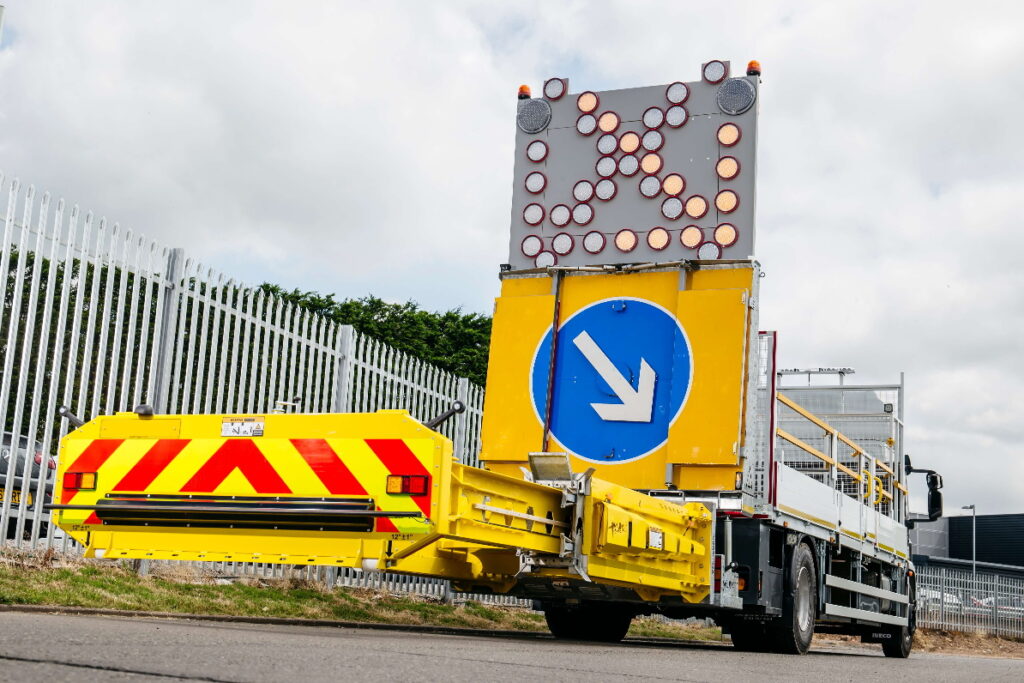
Most truck-mounted attenuator manufacturers recommend a formal inspection every 3 to 6 months under normal operating conditions, with a quick visual check before every deployment. The exact interval depends on how frequently the unit is used, the conditions it operates in, and whether it has been involved in any impact events. Below, we cover the most important maintenance questions work zone professionals ask about TMAs.
How often should a truck-mounted attenuator be inspected?
A truck-mounted attenuator should receive a pre-deployment visual inspection every time it goes into service, and a thorough mechanical inspection at least every 3 to 6 months. Units that see heavy daily use or operate in harsh environments may need more frequent checks. Any TMA involved in an impact requires an immediate post-impact inspection before it returns to service.
Pre-deployment checks are quick but important. Before each shift, operators should confirm that mounting hardware is secure, the attenuator deploys and retracts correctly, and there are no visible signs of damage or wear. These daily checks take only a few minutes but catch problems before they become safety risks.
The scheduled periodic inspection goes deeper. A qualified technician examines structural components, hydraulic systems, mounting brackets, and any integrated equipment such as arrow boards or lighting. Keeping a written log of each inspection helps you track wear patterns over time and demonstrates compliance to clients and regulators.
What does a TMA maintenance checklist typically include?
A standard TMA maintenance checklist covers structural integrity, hydraulic or mechanical systems, mounting hardware, electrical components, and any attached signage or lighting. The goal is to confirm that every part of the system will perform as designed in a real impact event.
A thorough checklist typically includes the following items:
- Structural inspection: Check the attenuator frame, energy-absorbing cartridges or panels, and crash cushion elements for cracks, deformation, or corrosion.
- Mounting hardware: Inspect all bolts, pins, and brackets connecting the TMA to the host vehicle for tightness and wear.
- Hydraulic system: Check fluid levels, hoses, cylinders, and fittings for leaks or pressure loss.
- Electrical and lighting: Test arrow boards, LED warning lights, and any VMS displays for full functionality.
- Deployment mechanism: Verify that the unit raises, lowers, and locks into position smoothly.
- Reflective markings: Confirm that retroreflective tape and chevron markings meet visibility requirements.
- Documentation: Record inspection date, findings, and any corrective actions taken.
Keeping your checklist consistent across your fleet makes it easier to identify recurring issues and ensures nothing gets overlooked during a busy operational period.
When does a truck-mounted attenuator need to be replaced after an impact?
A truck-mounted attenuator must be taken out of service immediately after any impact and assessed by a qualified technician before it is used again. Whether the unit can be repaired or must be replaced depends on the severity of the impact, the extent of structural damage, and the manufacturer’s specific guidance for that model.
Many TMAs are designed with replaceable cartridges or modular energy-absorbing elements. After a minor to moderate impact, it may be possible to replace only the damaged components and return the unit to certified condition. After a severe impact, however, the structural frame itself may be compromised in ways that are not always visible to the naked eye.
Never return a TMA to service based on a visual check alone after an impact. The deformation that absorbs crash energy is exactly what the system is designed to do, but that same deformation can leave the unit unable to perform correctly in a second impact. Always follow the manufacturer’s post-impact inspection protocol and replace any components they specify.
What are the most common causes of TMA maintenance failures?
The most common causes of TMA maintenance failures are deferred inspections, improper installation, corrosion from road chemicals and weather exposure, and damage to hydraulic systems from rough terrain or heavy use. Many failures are preventable with consistent preventive maintenance.
Deferred or incomplete inspections
When crews are under pressure to deploy quickly, pre-deployment checks can get skipped. Over time, minor issues such as a loose mounting bolt or a small hydraulic leak go undetected and develop into serious problems. Building inspection into the standard pre-shift routine removes the temptation to skip it.
Corrosion and environmental wear
TMAs operate in environments that accelerate corrosion: road salt, standing water, and temperature extremes all attack metal components. Regular cleaning, protective coatings, and prompt attention to surface rust extend service life significantly. Pay particular attention to mounting brackets and hardware, where corrosion can compromise structural integrity without being immediately obvious.
How does MASH 16 compliance affect maintenance requirements?
MASH 16 (Manual for Assessing Safety Hardware, 2016) compliance means a TMA has been tested and accepted to the most current crash safety standard. Maintaining that compliance requires keeping the unit in the condition it was in when it passed testing, which means following the manufacturer’s maintenance specifications exactly and using only approved replacement parts.
When you replace components after an impact or during routine maintenance, substituting non-approved parts can void the MASH 16 acceptance. Regulators and project owners increasingly require documentation showing that equipment in use on a work site meets current standards. A well-maintained inspection log that records all repairs, replacements, and the parts used is your evidence that the unit remains compliant.
MASH 16 also sets higher performance thresholds than the older NCHRP-350 standard. If you operate older TMAs that were approved under NCHRP-350, check whether your contracts or local regulations now require MASH 16-compliant equipment. Upgrading to a MASH 16-certified unit is not just a compliance decision; it reflects a genuine improvement in the protection offered to workers and road users.
Who is responsible for maintaining a truck-mounted attenuator on a work site?
Responsibility for TMA maintenance is shared between the equipment owner, the site contractor, and the individual operator. The owner is responsible for providing a unit that is in certified, serviceable condition. The contractor is responsible for ensuring maintenance protocols are followed on site. The operator is responsible for conducting pre-deployment checks before each use.
In practice, this means your organization needs clear written procedures that define who performs each type of inspection, who signs off on the records, and who has authority to take a unit out of service. When a TMA is rented rather than owned, the rental agreement should specify exactly which maintenance obligations fall to the renter and which remain with the supplier.
On government or publicly funded projects, maintenance responsibilities may also be defined in the contract documents. Reviewing those requirements before work begins helps you avoid disputes and ensures that the equipment protecting your crew meets the standard required by the project owner.
How Verdegro Supports Your TMA Maintenance Program
We design and manufacture our truck-mounted attenuator systems to be maintained efficiently in the field, with clear documentation and modular components that simplify post-impact repairs and routine servicing.
Our TMA range, which includes the TMA-US 100K, TTMA-US 100K, LTMA-US 70K, and BLADE TMA, is tested and accepted to MASH 2016 and NCHRP-350 TL-3. When you operate one of our systems, you get:
- Manufacturer-specific maintenance documentation that tells you exactly which components to inspect, what wear tolerances to look for, and which replacement parts maintain MASH 16 acceptance.
- Modular energy-absorbing components designed for straightforward field replacement after an impact, reducing downtime.
- Integrated options including LED arrow boards, hydraulic LED-lift masts, and full-color VMS displays, all covered under a unified maintenance framework.
- Access to Mobilityplanner, our online platform that gives you real-time status updates and GPS tracking for your deployed equipment, helping you stay on top of your fleet’s service history.
If you want to discuss maintenance requirements for a specific model, plan a fleet upgrade to MASH 16-compliant equipment, or get guidance on building a maintenance schedule that fits your operations, contact our team and we will help you find the right approach.
Related Articles
- When do you need a full-size impact protection vehicle?
- How often should a truck mounted attenuator be inspected?
- What factors affect the price of a truck mounted attenuator?
- What happens if a vehicle crashes into a truck mounted attenuator?
- How is a truck mounted attenuator tested before it's approved?