
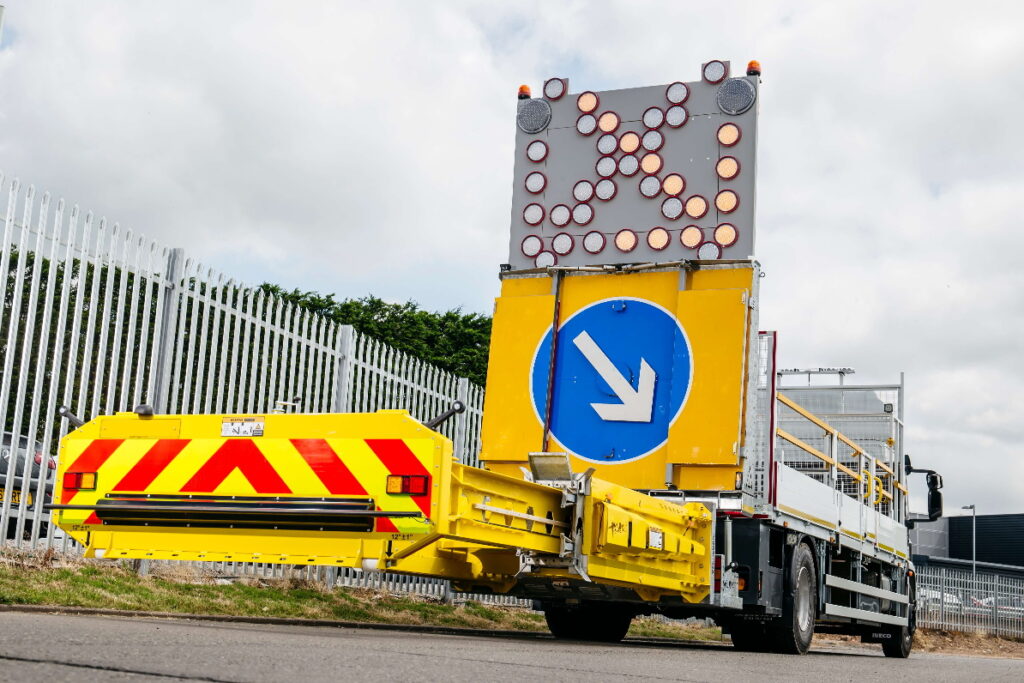
Truck mounted attenuators should be inspected before every deployment, after every impact, and at regular scheduled intervals, typically every 3 to 6 months depending on usage frequency and manufacturer guidelines. These inspections protect both road workers and drivers by confirming that the crash cushion system can perform as designed when it matters most. Below, we cover what those inspections involve, who carries them out, and how compliance standards shape your obligations.
What happens to a TMA if inspections are skipped?
Skipping inspections on a truck mounted attenuator puts lives at risk and exposes your operation to serious liability. A TMA that looks intact on the outside may have hidden structural damage, worn mounting hardware, or degraded energy-absorbing components that prevent it from functioning correctly during an actual impact. Without regular checks, that damage goes undetected until a real collision reveals it.
The consequences go beyond physical safety. Operating a non-compliant or damaged TMA in an active work zone can result in failed safety audits, contract penalties, and legal exposure if an incident occurs and the equipment is found to be in poor condition. For government contractors and highway construction crews, this risk is compounded by the scrutiny that public-sector projects attract.
Regular inspection also extends the service life of the equipment. Catching minor issues early, a cracked mounting bracket, a loose hydraulic fitting, a damaged arrow board connection, prevents those issues from becoming costly repairs or full replacements.
What does a truck mounted attenuator inspection actually cover?
A thorough TMA inspection covers the structural integrity of the crash cushion, the mounting system, all mechanical and hydraulic components, and any integrated accessories. The goal is to confirm that every part of the system will perform as tested and certified when subjected to a real-world impact.
Key areas a standard inspection should address include:
- Crash cushion panels and cartridges: Check for cracks, deformation, or signs of previous impact that were not reported or repaired.
- Mounting hardware and frame: Inspect bolts, welds, and attachment points for looseness, corrosion, or fatigue.
- Hydraulic systems: Look for leaks, check fluid levels, and test lift and deploy functions where applicable.
- Electrical systems: Test arrow board lighting, VMS displays, and any LED components for full functionality.
- Reflective markings and visibility features: Confirm that all required retroreflective materials meet current standards.
- Overall alignment: Verify that the TMA is correctly positioned and secured to the host vehicle.
Documentation matters too. Record each inspection with dates, findings, and any corrective actions taken. This creates a maintenance history that supports compliance audits and demonstrates due diligence.
Should a TMA be inspected after every impact?
Yes, a truck mounted attenuator must be inspected after every impact, regardless of how minor the collision appears. Even a low-speed rear-end strike can compromise the internal energy-absorbing structure without leaving obvious visible damage. Deploying a TMA again without a post-impact inspection is a serious safety risk.
After an impact, the inspection should go beyond a visual walkthrough. The crash cushion components need to be assessed for deformation, the mounting system checked for shifted or bent hardware, and all mechanical connections re-verified. Depending on the severity of the impact, some components may need to be replaced before the unit returns to service.
Many manufacturers provide specific post-impact inspection checklists and replacement part guidance. Following those instructions is important not just for safety, but also for maintaining the unit’s certification status. A TMA that has been impacted and not properly restored to spec may no longer meet the crash test standard it was originally approved under.
How do MASH and FHWA standards affect inspection requirements?
MASH (Manual for Assessing Safety Hardware) and FHWA (Federal Highway Administration) standards define the crash test performance requirements that a TMA must meet to be approved for use on federally funded roadways. These standards do not prescribe a specific inspection schedule, but they directly shape what “acceptable condition” means for a TMA in service.
Under MASH 2016, the current standard, a TMA must perform to tested specifications throughout its service life. That means any damage, modification, or deterioration that moves the unit away from its tested configuration can effectively void its compliance. Inspection routines are the mechanism that keeps the unit within that tested configuration.
FHWA acceptance letters, which certify that a product meets MASH criteria, are issued to specific configurations. If components are substituted, improperly repaired, or allowed to degrade, the unit may no longer match the accepted configuration. Regular inspections are what ensure the equipment you deploy in the field matches the equipment that earned its crash safety certification.
For contractors working on federally funded projects in 2026, using MASH 16-compliant equipment and maintaining it properly is not optional, it is a project requirement.
Who is responsible for inspecting a truck mounted attenuator?
The responsibility for TMA inspections falls on the equipment owner and the operator, typically the contractor or road maintenance crew deploying the unit. The operator conducting the pre-deployment check is responsible for confirming the unit is in safe, working condition before it enters a live work zone. The equipment owner or fleet manager is responsible for ensuring scheduled maintenance and post-impact inspections are carried out and documented.
In practice, this means:
- Operators perform daily pre-use checks before each deployment.
- Site supervisors or safety officers oversee compliance with project-specific safety requirements.
- Fleet or equipment managers schedule and document periodic maintenance inspections.
- Qualified technicians carry out post-impact assessments and any structural repairs.
Some jurisdictions and project contracts require that inspections be performed or signed off by a certified safety professional. Always review the specific requirements of your project contract and local regulations to confirm who must conduct and document each type of inspection.
How Verdegro Supports Your TMA Inspection and Compliance
We design our truck mounted attenuators to make inspection and maintenance as straightforward as possible. Our TMA range, including the TMA-US 100K, TTMA-US 100K, LTMA-US 70K, and BLADE TMA, is built to MASH 2016 standards and backed by FHWA acceptance letters, giving you a clear compliance baseline to maintain.
Here is how we support you beyond the product itself:
- Clear documentation: Each unit comes with manufacturer inspection guidance so your team knows exactly what to check and when.
- Integrated accessories: Optional LED arrow boards, full-color VMS displays, and hydraulic lift masts are designed to work as a tested system, reducing the complexity of multi-component inspections.
- Mobilityplanner platform: Our online platform gives you real-time status updates, GPS tracking, and operational statistics across your fleet, helping you stay on top of deployment history and identify units that may be due for inspection.
- Replacement parts and support: When post-impact repairs are needed, we provide guidance on restoring units to their certified configuration.
If you want to discuss inspection requirements for your specific fleet or find out which TMA model fits your operational needs, get in touch with us directly. We are ready to help you keep your work zones compliant and your teams protected.
Related Articles
- Why is Verdegro's impact protection system called VanGuard?
- What is the role of an impact protection vehicle in temporary traffic management?
- How does vehicle type affect the choice of crash attenuator?
- What should you look for when getting a truck mounted attenuator quote?
- What is the most popular truck mounted attenuator model for highway work?