
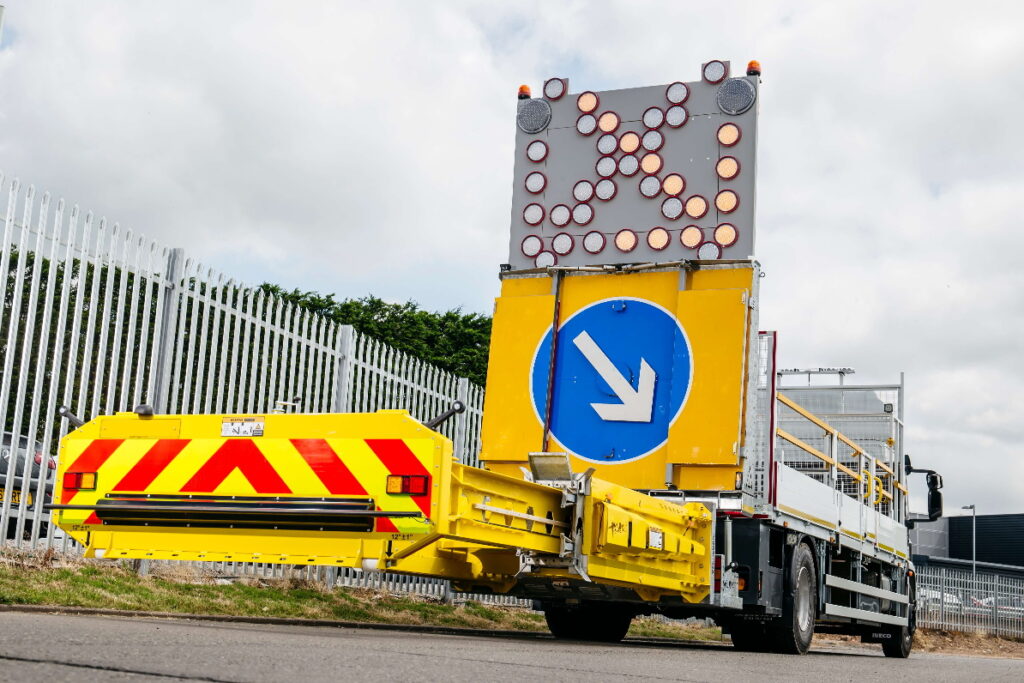
Yes, a truck mounted attenuator can often be used again after a crash, but only after a thorough inspection confirms that all structural and functional components meet the original safety specifications. Whether a TMA returns to service depends on the severity of the impact and the findings of that inspection. The questions below walk through exactly what that process involves and what decisions follow.
Can a truck mounted attenuator be used again after a crash?
A truck mounted attenuator can return to service after an impact if a qualified inspection confirms that all components still meet the manufacturer’s safety standards and the applicable crash test certification requirements. Many TMAs are designed with this in mind, using replaceable cartridges and modular parts that absorb energy during a crash and can be swapped out rather than requiring full unit replacement.
The key distinction is between a low-speed, low-energy impact and a high-speed collision. A minor rear-end tap at low speed may cause minimal damage, while a full-speed impact at highway speeds can compromise the attenuator’s structural integrity in ways that are not always visible to the naked eye. This is why the inspection process matters so much before any decision about reuse is made.
What inspection process does a TMA go through after an impact?
After an impact, a truck mounted attenuator goes through a structured inspection that checks both visible damage and the integrity of internal components. The process typically begins with a visual assessment of the crash cushion body, mounting hardware, and frame, followed by a closer mechanical check of all load-bearing connections, hydraulic systems if present, and any integrated accessories such as arrow boards or VMS displays.
The inspection should be carried out by a trained technician who is familiar with the specific TMA model and its certification requirements. For units certified under MASH 2016 or NCHRP 350 TL-3, the inspection must confirm that the attenuator can still perform to those standards. Any deformation, cracking, or displacement in the energy-absorbing structure is a reason to ground the unit until repairs are completed or replacement parts are installed.
What parts of a TMA are most commonly damaged in a crash?
The parts most commonly damaged in a TMA crash are the energy-absorbing cartridges or foam elements, the rear impact face, and the mounting frame that connects the attenuator to the host vehicle. These components are designed to take the brunt of the collision force, which means they absorb damage intentionally so the host truck and its occupants are better protected.
Beyond the core crash structure, secondary components that frequently require attention after an impact include:
- Mounting pins and brackets connecting the TMA to the truck’s hitch or rear frame
- Hydraulic cylinders and hoses on units with hydraulic lift systems
- LED arrow board panels and their mounting arms
- Wiring harnesses and electrical connections running through or near the attenuator body
- Reflective panels and delineation strips on the rear face
In many modern TMAs, the energy-absorbing section is modular by design, which means these high-wear parts can be replaced without retiring the entire unit.
How long does it take to repair or replace a TMA after a hit?
Repair time for a truck mounted attenuator after an impact ranges from a few hours for minor component swaps to several days or weeks for more extensive structural damage. The timeline depends on the severity of the crash, parts availability, and whether the unit needs to be returned to the manufacturer for assessment.
For TMAs with modular, replaceable cartridge systems, a straightforward energy-absorber replacement can often be completed on-site or at a depot within a working day. More complex repairs involving the mounting frame, hydraulic components, or recertification requirements take longer. If replacement parts need to be sourced internationally, downtime can extend further. This is why operators working on active projects should consider having a backup unit available.
Who is responsible for a TMA after it absorbs an impact?
Responsibility for a TMA after an impact typically falls on the contractor or operator who owns or leases the unit. That party is responsible for removing the TMA from service immediately after a significant hit, initiating the inspection process, and ensuring the unit is not redeployed until it has been cleared as safe. In rental arrangements, the rental company may share responsibility for inspection and repair, depending on the contract terms.
From a compliance standpoint, deploying a TMA that has been compromised by a crash without proper inspection creates serious liability exposure. Work zone safety regulations in most jurisdictions require that crash cushion systems meet their certified performance standards at the time of use. An uninspected or improperly repaired TMA that fails in a subsequent crash no longer provides the protection it was certified to deliver.
When should a TMA be retired rather than repaired?
A truck mounted attenuator should be retired when the cost or extent of repairs would compromise the unit’s certified performance, when structural components cannot be restored to original specifications, or when the manufacturer confirms the unit is beyond serviceable condition. Age, cumulative impact history, and parts availability all factor into this decision.
Specific indicators that retirement is the right call include:
- Permanent deformation of the main structural frame that cannot be corrected
- Mounting hardware that has been bent or cracked beyond repair
- Multiple prior impacts that have degraded the energy-absorbing capacity below certified levels
- Discontinued parts that make a code-compliant repair impossible
- A manufacturer assessment recommending the unit be taken out of service
Continuing to operate an attenuator past its serviceable life is not a cost-saving measure. In a subsequent crash, an out-of-spec TMA may fail to absorb energy as intended, putting both road workers and drivers at greater risk.
How Verdegro Supports You After a TMA Impact
When one of your truck mounted attenuators takes a hit, we are here to help you move quickly and make the right call. Our TMA systems are built with modular, replaceable components precisely so that post-impact recovery is as straightforward as possible. Here is what we offer:
- Technical guidance on what to inspect after an impact and what to look for in each component
- Replacement parts for our TMA range, including energy-absorbing elements, mounting hardware, and electrical components
- Assessment support to help you determine whether a unit can return to service or needs to be retired
- Access to certified replacements across our TMA lineup, including units tested to MASH 2016 and NCHRP 350 TL-3 standards
Getting your work zone back to full protection as quickly as possible matters. Contact us directly and we will help you figure out the fastest, safest path forward.